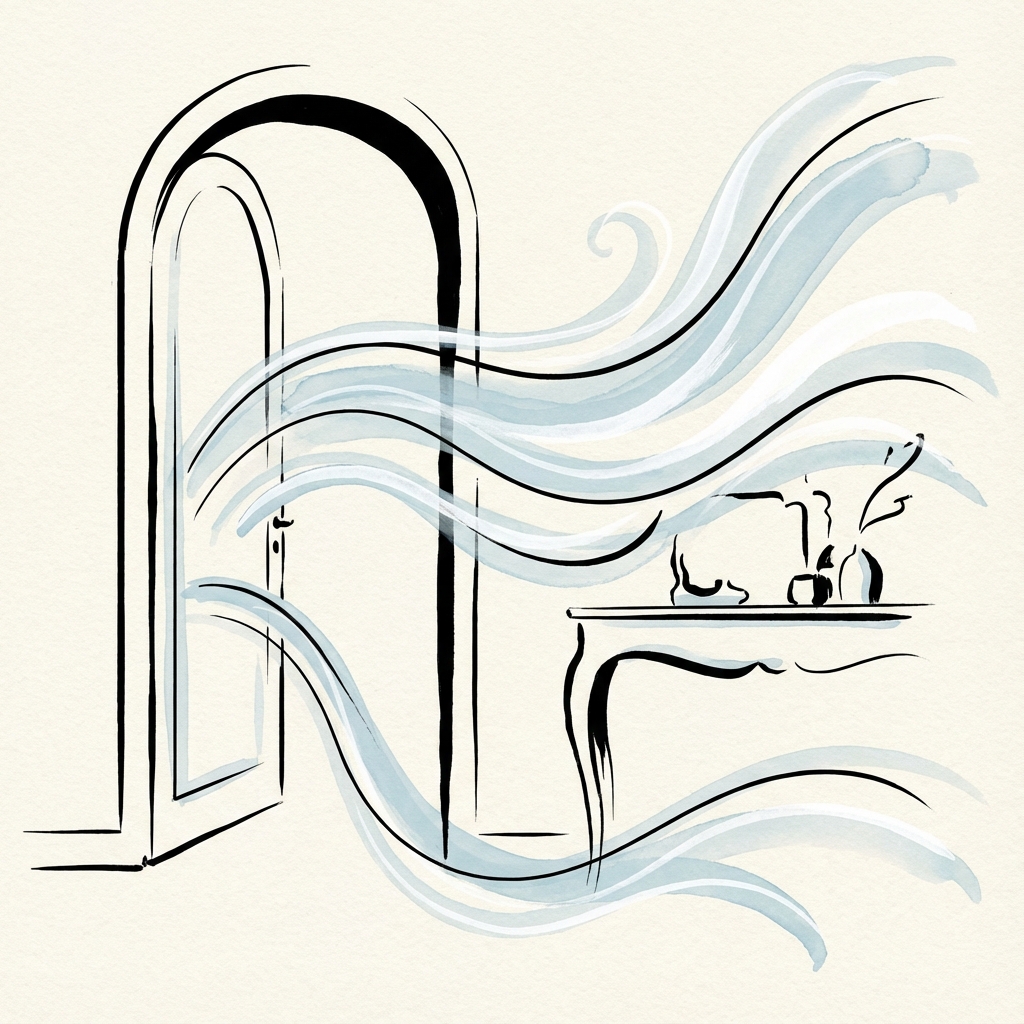
What Is Good Feng Shui? How to Sense Qi Energy in Any Space
Qi (气)
Don’t overthink “Qi.” At the beginner level, Qi is simply your intuitive feeling.
When you walk into a room and feel your breath flow easily, your mood brighten—that’s “Sheng Qi” (living energy). If you feel oppressed, cold, or want to escape—that’s “Si Qi” (dead energy) or “Sha Qi” (harmful energy).
Three Dimensions of Sensing Qi
1️⃣ Observe the Light
Can sunlight enter the space?
Light is the source of Yang energy. A space that rarely sees sunlight will gradually accumulate Yin energy, making people feel depressed and tired.
2️⃣ Notice the Smell
Is there any musty odor or sewage smell?
Strange odors are sources of turbid Qi. If a space always has an unexplainable smell, the energy field is not clean—focus on ventilation and cleanliness.
3️⃣ Feel the Airflow
- Is the wind so strong it rattles doors and windows? (Qi scatters, doesn’t gather)
- Or is there no ventilation at all? (Stagnant, lifeless)
The ideal state is: gentle air circulation—neither stuffy nor drafty.
The Cleaner Solution
The best feng shui isn’t about expensive ornaments—it’s about cleanliness, ventilation, and natural light.
If a place makes you uncomfortable, no expensive feng shui wheel will help.
Do This First
Find a space where you spend a lot of time (bedroom, office, living room) and assess it using these three dimensions:
- How is the lighting?
- How does it smell?
- How is the air circulation?
Write down your observations—this is your first step in learning feng shui.
FREE TOOL
Discover Your Personal Feng Shui Blueprint
Calculate your Kua number in 30 seconds
Knowledge Layer
Related Wiki Terms
Use these definitions as a quick bridge between the idea you just read and the wider Feng Shui system behind it.
Five Elements (Wu Xing) in Feng Shui: Wood, Fire, Earth, Metal, Water
五行
The Five Elements are the foundation of feng shui. Learn the productive and destructive cycles to balance energy in any room.
Read definitionFlying Stars (Xuan Kong Fei Xing): The Complete Guide
九宫飞星
Flying Stars feng shui maps nine shifting energies across your home using a 3×3 grid. Learn how annual stars move and how to activate key sectors.
Read definitionBagua Map: How to Use the Feng Shui Eight Trigrams in Your Home
八卦
The Bagua divides your home into nine life areas. Learn how to overlay it on a floor plan and activate each zone with intention.
Read definitionNext Step From This Article
Keep moving from reading into action.
If this article was useful, the best next step is to test one personal direction, one room diagnosis, or the full 2026 bundle.
Personal Direction
Start with Kua Calculator
Use it when you want a personal direction layer before adjusting furniture or work setup.
Open Kua CalculatorRoom Check
Continue with Wealth Finder
Use it when you want to test one room, one entrance, or one likely wealth zone in practice.
Open Wealth FinderFull Plan
Review the 2026 Bundle
Use it when you want a more complete execution-focused package before deciding what to buy.
View 2026 BundleRelated Articles
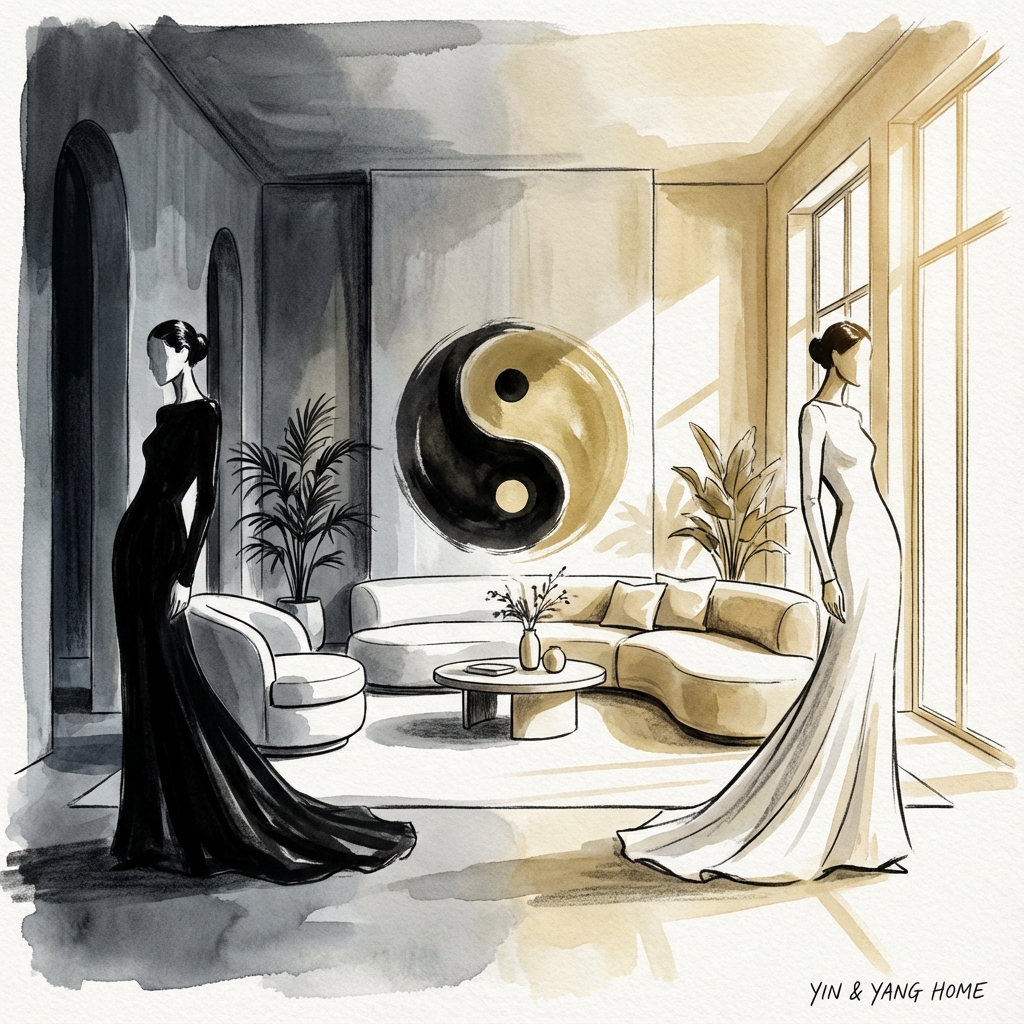
Yin and Yang in Feng Shui: Why Living Rooms Need Yang, Bedrooms Need Yin
Think of Yin-Yang as personality types: living rooms are extrovert zones (Yang), bedrooms are introvert zones (Yin). Master functional zoning for harmony.
Read More